Understanding the Core Differences Between Portrait and Event Photography
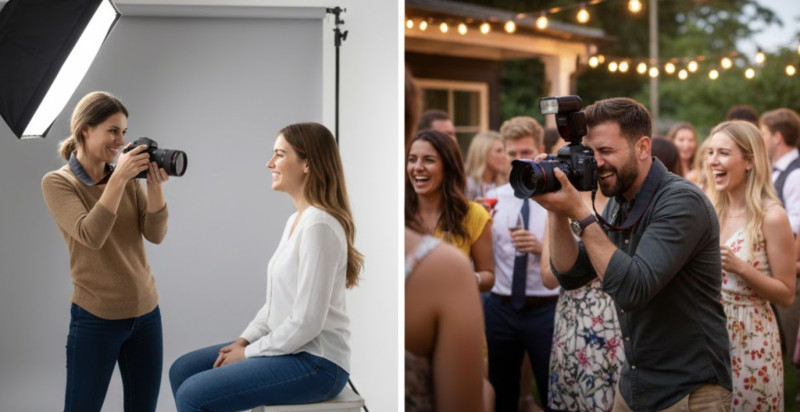
When you're planning to hire a photographer in the UK, knowing the key differences between portrait and event specialists will directly influence your choice. Portrait photographers focus on capturing carefully composed images of individuals or small groups in controlled studio settings, whilst event photographers document unfolding moments across venues like weddings, corporate gatherings, and celebrations. Each requires different technical skills, equipment, and creative approaches.
Your project type determines which photographer you need. If you want polished, retouched images for professional profiles or family keepsakes, portrait photography delivers consistent, refined results. If you're documenting a dynamic occasion with multiple participants and unpredictable moments, event photography expertise becomes essential. Getting this right prevents hiring mismatches that disappoint both clients and photographers.
Specialisation and Expertise Differences
Portrait photographers invest heavily in studio design, lighting systems, and posing techniques to create flattering, professional images. They understand facial angles, skin tones, and composition principles that work for headshots, family photographs, and fashion work. They typically spend years mastering artificial lighting setups and post-processing workflows specific to portraiture.
Event photographers develop entirely different skill sets focused on rapid decision-making, low-light performance, and narrative storytelling. They must anticipate moments before they happen, manage unpredictable lighting conditions at venues, and capture hundreds of images that tell a coherent story. Their workflow involves managing multiple camera bodies and adapting instantly to changing environments.
Neither specialisation is better than the other; they simply serve different purposes. A wedding photographer might excel at capturing candid moments during ceremonies but lack the studio lighting knowledge for professional headshots. A portrait specialist might struggle with the pace and adaptability that live events demand.
Equipment, Technology, and Investment
Portrait photographers typically invest in stationary studio equipment including professional lighting rigs, backdrops, and reflectors. Their gear stays primarily location-based, with controlled environments allowing them to use heavier, more sophisticated lighting apparatus. Studio ownership represents a significant portion of their business investment, along with comfortable seating arrangements and climate control systems.
Event photographers prioritise portable, reliable equipment designed for rapid deployment across diverse venues. They invest in multiple camera bodies for backup, fast lenses that perform in low light, and compact lighting solutions like flash systems and reflectors. Their equipment purchasing decisions focus on mobility, durability, and consistency rather than studio infrastructure.
Key equipment differences include:
- Studio lighting systems versus portable flash equipment and reflectors
- Dedicated backdrops and props versus minimal on-location setups
- Single camera operation versus multiple backup camera bodies
- Stationary tripods versus lightweight, quick-release support systems
- Backup power supplies tailored to studio versus venue electrical limitations
Pricing Structure and Package Options
Portrait session rates in the UK typically range from £150 to £500 depending on photographer experience and location. These packages often include digital files, prints, or a combination. Additional charges may apply for extra locations, extended sessions, or premium retouching. Many portrait photographers offer tiered packages so you can choose image quantities and product deliverables.
Event photography pricing works on entirely different models. Wedding photography commonly costs between £1,000 and £4,000 depending on coverage duration, photographer experience, and package inclusions. Corporate events might charge £400 to £1,500 per day, whilst smaller gatherings like birthday parties typically fall between £300 and £800. Event photographers often include travel time, multiple shooting hours, and substantial digital file collections within quoted prices.
Understanding pricing variations helps you budget appropriately:
- Portrait photographers charge by session, with hourly rates or fixed package prices
- Event professionals typically charge by day or event duration, not individual session length
- Rush delivery and expedited retouching command premium fees for both specialisations
- Location fees apply when portrait sessions occur outside photographer studios
- Travel charges increase costs for events held outside photographer service areas
Turnaround Times and Deliverables
Portrait photography generally involves faster delivery timelines since photographers work with pre-established workflows for relatively small image selections. Typical turnaround runs from 1 to 2 weeks for basic deliverables, with rush options available at additional cost. You'll receive edited digital files, printed products, or both depending on your package. The limited number of final images means photographers can invest considerable time in individual retouching.
Event photographers face significantly longer processing periods due to image volume. A typical wedding might generate 1,500 to 3,000 photographs requiring individual evaluation, culling, and editing. Standard delivery timelines run from 6 to 12 weeks, though premium services offer expedited options. You'll receive extensive digital galleries, printed albums, or both as outlined in your contract.
The editing approach differs markedly between these roles. Portrait photographers apply polished retouching that enhances skin, removes blemishes, and ensures colour accuracy across the session. Event photographers prioritise consistency across all images whilst working through much larger volumes, focusing on colour correction, exposure adjustment, and selective enhancement rather than extensive individual retouching.
Choosing the Right Photographer for Your Needs
Consider your specific project requirements when deciding between these specialisations. Professional headshots, family portraits, maternity photography, and fashion work need portrait photographer expertise. These controlled projects benefit from studio environments, consistent lighting, and the refined retouching that portrait specialists provide. If your images need to represent you professionally or serve as keepsakes, portrait photography delivers appropriate quality and presentation.
Weddings, birthday celebrations, corporate functions, conferences, and milestone events require event photographer capabilities. These dynamic situations benefit from professionals trained in rapid-fire shooting, ambient light management, and moment capture that unfolds unpredictably. Event photographers understand how to document extended timelines with narrative flow, ensuring no critical moments escape capture.
Some photographers successfully operate across both disciplines, though this remains relatively uncommon. When evaluating professionals claiming dual expertise, request portfolio samples from both categories and discuss their approach to equipment and workflow adjustments. Specialists typically produce superior results within their chosen field because of refined expertise and optimised processes.
Making Your Comparison and Next Steps
Begin your photographer search by clearly defining your project requirements, budget, and desired timeline. Review portfolios from several potential photographers, paying particular attention to consistency and suitability for your specific needs. Ask detailed questions about their approach, equipment, editing style, and how they handle situations relevant to your project type.
Check client testimonials, which often reveal whether photographers deliver reliability, professionalism, and communication throughout the process. Request references you can contact directly, particularly for projects similar to yours. Understanding photographer availability is crucial; availability gaps during your preferred dates might necessitate booking further in advance or considering alternatives.
Compare quotes from 3 or more photographers within your chosen specialisation rather than directly comparing portrait and event professionals, since they operate on fundamentally different pricing models. Ensure all quotes specify exactly what services and deliverables are included, any additional fees, revision policies, and delivery timelines. Clear contracts prevent misunderstandings and protect both parties throughout the project.
Budget sufficient funds for your project category, recognising that experienced professionals command higher rates because of refined skills, efficient workflows, and superior results. Attempting to hire based primarily on lowest price often results in disappointment. Investment in quality photography produces assets you'll value for years, making experience and expertise worthy considerations throughout your decision-making process.
Frequently Asked Questions
Can a portrait photographer handle event photography?
Occasionally, but rarely with the same level of expertise. Portrait photographers lack training in rapid-fire shooting, ambient light management, and the workflow needed for events with hundreds of unpredictable moments. They typically lack the backup camera bodies and portable equipment that events demand.
What's the main difference in how they shoot?
Portrait photographers work in controlled settings with planned poses and consistent lighting. Event photographers shoot on-the-fly in unpredictable conditions, capturing moments as they happen without stopping action for setup time.
Should I hire an event photographer for family portraits?
Not recommended. Event photographers excel at candid moments across dynamic scenes but lack the studio expertise, retouching finesse, and posing knowledge that professional family portraits require.
How do I know if a photographer is truly experienced?
Review their full portfolio across several projects, check detailed client testimonials, and ask for references from clients with similar project types. Experience shows in consistency, technical quality, and how they solve problems specific to your needs.
What questions should I ask before booking?
Ask about their backup equipment, how they handle low-light situations, their editing timeline, what's included in the quoted price, cancellation policies, and how they approach revisions. Request a detailed written contract before paying deposits.
Can I negotiate photography prices?
Experienced professionals rarely discount significantly. Instead, ask whether you can modify package options, reduce shooting hours, or scale deliverables to fit your budget. Pushing prices down often compromises quality.
Find Your Perfect Photographer
Explore our carefully curated directory of portrait and event photographers across the UK. Filter by specialisation, location, and style to find exactly what you need.
Browse Photographers